Sofa Materials Compared: Leather, Fabric, and Faux Leather
When choosing a sofa, color and shape tend to catch the eye first, but what you actually feel every day is the material. Genuine leather, fabric and faux leather each differ in texture and care. In this article, we will calmly compare the three materials based on your living conditions.
Written by 소파 스튜디오 Editorial Team Published About 8 min read
Key takeaways
-
Criteria Before choosing a material, first decide on your living environment and the level of care you can realistically manage.
-
Leather Natural leather's texture, which deepens over time, is its appeal, but it requires attention to moisture and dryness.
-
Care Each material responds differently to stains and dust, so please check the care method before you buy.
Conditions to check first when choosing a material
Before choosing a material, first check your household's living conditions. Who spends the most time in the living room, whether pets live with you, and which direction the strong sunlight comes from all affect which material suits you. Budget and the time you can spend on care are also key criteria. Even at the same price point, some materials are easy to wipe clean while others need regular upkeep. It is therefore wise to write down your daily routine before considering design preferences. Narrowing your candidates based on that record makes the decision much easier. Since the material is something you will live with for a long time, judge it carefully.
The atmosphere of the space where the sofa will sit also deserves attention. In a space with light-toned walls and solid wood furniture, a soft-textured material often fits well. Conversely, in a space with many metal elements and neutral tones, a smooth surface gives a clean impression. Along with color, the material determines the overall warmth of the space. Consider both the feel of sitting on it and its visual weight. Touching samples by hand in a showroom is also very helpful, since differences that are hard to judge from photos can be felt directly.
Finally, it is worth considering the durability of the material and how often you will replace it. For a sofa used daily, materials that resist friction and pressure are advantageous. In a household where guests visit rarely, you can choose a relatively delicate material. Warranty terms and care methods differ by material, so be sure to check them before purchasing. Reviewing these criteria in turn will make an uncertain choice clear. The following sections look at the texture and characteristics of each material in more detail.
The Texture and Character of Genuine Leather
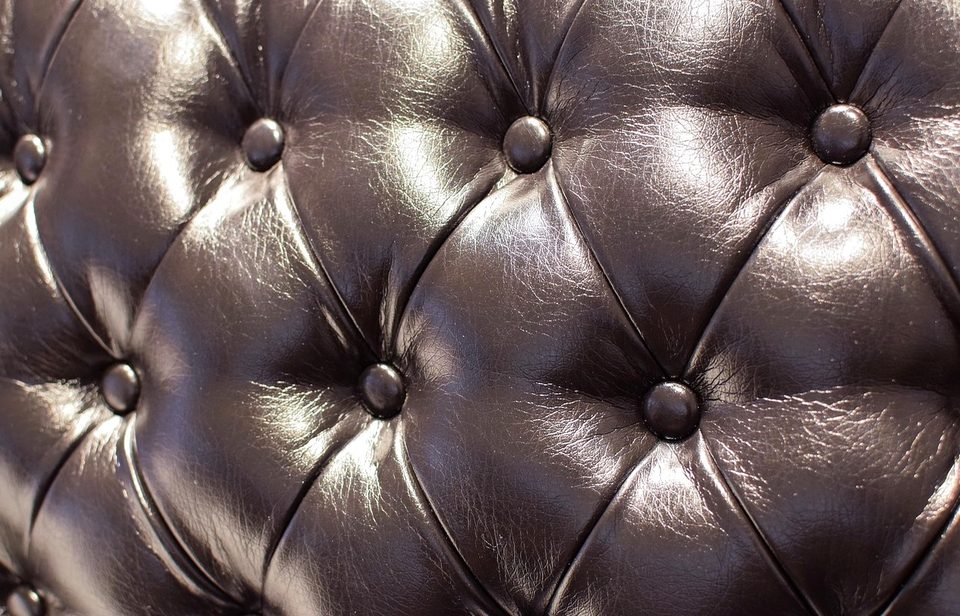
Genuine leather is best known for the way its colour and sheen deepen as the years go by. Its surface carries natural grain, so no two pieces look exactly alike, even within the same product line. Run a hand across it and you'll feel a soft, supple give; when you sit down, it gradually shapes itself to your body. Leather is also generally considered fairly breathable, so it tends to feel less sticky in summer. Quality varies widely depending on the grade of leather and how it has been finished, so it's worth reading the labelling carefully before you buy. A piece that shows its natural grain has a refined presence, but its strong individuality means it should be considered carefully alongside the rest of your space.
How genuine leather ages depends a great deal on how it is cared for. Prolonged direct sunlight can fade its colour, so it is wise to think twice before placing it beside a sunny window. In dry conditions it may crack, and keeping the humidity at a comfortable level helps. Dusting regularly with a dry cloth and using a cleaner or conditioner recommended by the manufacturer will help protect the grain. Liquids soak in easily and can leave stains, so the habit of wiping up spills immediately matters. Care can feel like a chore, but for those who enjoy watching a piece soften and mature naturally over time, leather is a very good match.
When choosing genuine leather, it is worth taking a calm look at the relationship between price and value. The upfront cost is usually higher than for other materials, but well-made leather often holds its value through long use. Low-priced pieces, on the other hand, can crack or peel more easily, so caution is needed. Checking the warranty period and after-sales service terms together will help reduce uncertainty. Leather sofas are also rather heavy, so before settling on a position, check the route the sofa will take into the home, including doorways and stairs. Taken together, genuine leather suits those who value the pleasure of caring for a piece and the depth that comes with age.
Living Environments Where Fabric Sofas Work Well
Fabric sofas are a popular choice for homes that want a soft, cosy feel. The weave and colour of the fabric let you change the mood of a room in many different ways. Body heat does not transfer easily through fabric, so many people find them comfortable even in winter. Their generous cushioning makes them well suited to a living room where you spend long stretches of time and want a place to rest. Many models also have removable covers that can be washed, which makes upkeep less of a burden. Because fabrics vary so much, however, it is essential to check the density and durability of the material.
Fabric sofas are especially well suited to households with children, or to spaces where a relaxed atmosphere matters. If you use the living room often and the family gathers there frequently, a soft fabric can make everyday life noticeably more comfortable. Fabric also absorbs sound, which makes a room feel calmer. On the other hand, stains can sink deep into the fibres, so it is important to be mindful of drinks and food. Choosing a fabric with a water-resistant coating or one that resists stains can ease that concern. Medium tones tend to be more practical than light ones, since dust and marks are less visible on them.
When choosing a fabric sofa, be sure to check the fabric labelling and cleaning instructions. Some products can only be dry-cleaned, or have restrictions on washing with water, so care can be fussy. The resilience of the cushion filling also shapes how the seat feels, so it is best to sit on it and judge for yourself. It is also worth checking whether the weave resists abrasion and whether the colour holds up well in sunlight. Thinking about how often the living room is used and who lives in your household will naturally clarify what kind of fabric you need. Fabric offers a wide range of choices, so setting clear criteria will lead to greater satisfaction. With these criteria in mind, next we will look at the characteristics of faux leather.
What to Check When Choosing Faux Leather
Faux leather is a product made by coating the surface with a synthetic material such as polyurethane or PVC to imitate the look of natural leather. When choosing one, it is important to touch the surface coating directly to check its thickness and texture. If it feels too smooth and glossy, it may be more likely to crack or peel over time. Conversely, a piece with a natural grain and a soft feel to the touch tends to keep its quality for longer.
Please also take a close look at the seams and the bonded areas. Coatings often wear out first on edges and armrests, where friction is most frequent. It also helps to check whether the backing fabric is tightly woven and firmly bonded to the front surface. Reading the material description carefully is a habit that helps you avoid mistakes.
Faux leather breathes less than fabric, so you may feel warmth when sitting for long periods in summer. To offset this, it is worth considering both the density of the cushion filling and the structure of the seat. A piece with moderate resilience is more comfortable for everyday use than one that is overly firm. Understanding the nature of the material and setting realistic expectations leads to greater satisfaction.
- Check the thickness and feel of the surface coating yourself
- Inspect the finish on edges and armrests
- Check the weave and bonding of the backing fabric
- Consider a cushion structure that reduces summer warmth
How stains and dust care differ by material
The greatest appeal of natural leather is that its colour deepens and handling marks blend in naturally as time passes. The surface keeps its original grain, so even the same model has a slightly different texture from piece to piece. It suits those who embrace this unevenness as character. However, leather is sensitive to moisture and direct sunlight, so it is best to decide on the placement in advance.
In terms of care, the basics are regular wiping with a dry cloth and the use of a dedicated conditioner. If the surface dries out, cracks may appear, so it is also necessary to monitor humidity according to the season. When a stain appears, the principle is to absorb it rather than rub it. Checking the care method when you first buy will help keep the piece in good condition for a long time.
A leather sofa has the characteristic that its shape gradually adapts to body heat and movement as you sit on it. In other words, you can expect comfort that conforms to your body over time. On the other hand, the surface may feel somewhat firm at first, so please keep this in mind. If you choose with your lifestyle and the mood of the space in mind, you are less likely to have regrets.
Choosing materials according to household makeup
A fabric sofa is covered in woven textile, which offers a soft feel and a wide choice of colours and patterns. It suits those who want to warm up the living room or adjust the tone to match lighting and rugs. Some models also have covers that can be removed for washing or fabrics that can be replaced, so the range of upkeep is broad. These qualities are an advantage for homes that like to refresh their interior often.
However, fabric tends to collect dust and fine particles between its fibres, so regular cleaning is necessary. If you have pets, it is best to choose a highly durable weave so that hair does not get tangled in the fabric. Checking the abrasion resistance and whether the fabric pills in advance can help reduce disappointment. Please also consider that the lighter the colour, the more visible stains may be.
Light and traffic flow in the space also affect the choice of fabric. Where strong sunlight falls, it is safer to choose a fabric that resists UV damage. For a living room that guests use often, decide the thickness and weave with frequency of use in mind. Sketching out your daily routine in advance helps you find a suitable fabric.
This article is provided for general information only and does not replace professional advice.