Scandinavian and Minimalist Interiors: Creating the Living Room Mood with a Sofa
Nordic and minimalist interiors cut back on decoration and focus instead on refining a few key elements. Among them, the sofa occupies the largest area in the living room, so its color, shape, and placement largely set the mood of the whole space. In this article, we walk through the basic palette and textures, the difference between neutral and accent colors, silhouettes that feel light, the order for arranging rugs and cushions, and the principles that keep the style consistent.
Written by 소파 스튜디오 Editorial Team Published About 9 min read
Key takeaways
-
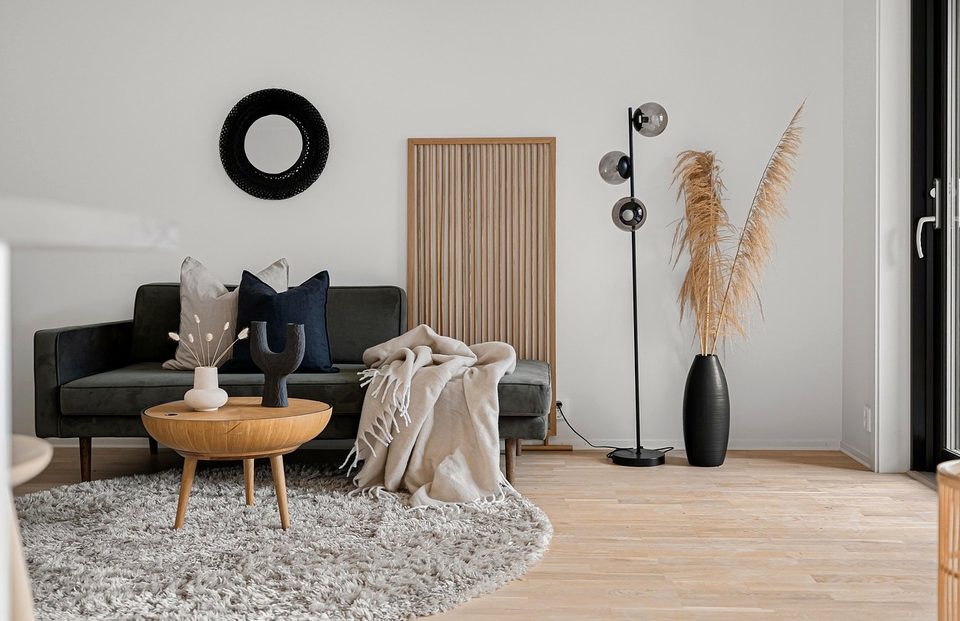
Form A sofa with a low backrest and slim legs preserves the open space and makes the living room look larger.
-
Colour Use neutral tones as the base and distribute accent colours in places that are easy to change, such as cushions and accessories.
-
Layout Use the rug as the reference line to position the sofa and table, then finish by adding cushions in varied textures.
Basic Colors and Textures of Nordic Style
A Nordic-style living room is usually built on bright, near-white walls, the warm tones of wood, and calm mid-tones such as gray and beige. With fewer colors, the character of each one stands out clearly, so when choosing a sofa it helps to look first at its lightness and saturation. A light-toned sofa makes a room feel open and airy, while a slightly deeper tone brings a sense of stability. In both cases, what matters is how well it harmonizes with the tones of the walls and floor.
Texture is just as central to completing the Nordic look. Rather than smooth, flat surfaces, linen or wool-blend fabrics with a visible weave, or leather with a natural grain, work especially well. Even within the same color, a different texture changes the warmth of a space, so considering color and texture together leads to fewer mistakes. Paired with legs or a frame in natural wood, the contrast in texture comes through naturally.
Ultimately, the foundation of Nordic style lies in letting the differences in texture come alive within a restrained palette. Since the sofa is the central piece that anchors this harmony, we recommend settling the tones of the walls, floor, and wooden furniture first, then choosing the sofa's color and material. This ties the whole space together under one tone, and allows a few well-chosen pieces to create a fully resolved impression. Small differences can change the mood considerably, so it is also worth checking samples under the actual light of your space.
The Role of the Sofa in a Minimalist Living Room
In a minimalist living room, the sofa is more than a piece to sit on; it serves as the anchor of the space. In rooms with little decoration, the eye naturally goes to the largest piece of furniture, so the sofa's shape and position determine the order of the entire living room. For this reason, minimalist interiors typically favor a sofa that anchors the room without overwhelming it, rather than one that is large or ornate. This is why clean, straight lines are so widely used.
In a minimalist living room, the sofa also shares its role with the other furniture. The lower and simpler the tables and storage units are, the more the sofa's presence stands out, so it is important to match the sofa's height and depth with the pieces around it. A sofa with a low back opens up the view toward windows and walls, making the space feel larger, and a design with slim armrests preserves an overall sense of lightness. These subtle adjustments decide how refined a minimalist living room feels.
In terms of layout, the sofa also organizes movement and the flow of sight. Placing it against a wall or in a way that divides the space, so it does not block the main pathways, allows an orderly arrangement even with few pieces. Setting the position of lighting and tables based on the sofa makes the entire layout much easier to plan. Since the sofa is the most visible piece in a minimalist interior, its placement reveals the intent behind the design of the room.
How to Divide Neutral and Accent Colors
Nordic and minimalist interiors use little color, and instead often build on neutral tones with a small addition of accent color. Neutrals such as gray, beige, and ivory form the background of the space, while accent colors introduce variation in small areas such as cushions or rugs. Thinking of these two separately makes color choice much simpler. Because the sofa covers the largest area, it is safest to keep it in a neutral tone, and it is easier to preserve harmony by moving accent colors to smaller accessories.
When choosing an accent color, it works well to look at the colors that already repeat within the space. For example, pick one color from a picture frame, a lamp or a wooden piece of furniture and carry it over to a cushion or a rug; the new color will feel naturally connected without adding anything new. Accents should only occupy a small share of the total area. Using three or more strong colors at once quickly undermines the calm character of Scandinavian style, so reducing the number of colors is the most reliable approach.
When choosing a sofa color, consider it together with the tones of the walls and floor and check the balance between the lightest and darkest areas. If the walls are light, a sofa one or two steps darker will add stability; if the floor is dark, a slightly lighter sofa can add depth to the room. Colors look different under different light, so checking them in both daylight and evening light will greatly reduce the risk of mistakes. When neutral and accent colors have clearly separate roles, a living room with few colors can still feel rich and layered.
- Decide the wall and floor tones first, then choose the sofa color
- Keep the sofa neutral and use the accent color on cushions or a rug
- Pick either the wood tone or a frame color in the space as the accent and repeat it
- Check colors under both daytime and evening lighting
Making the Sofa Look Light Through Legs and Silhouette
In a Scandinavian-style living room, the sofa sets the rhythm of the space. Choosing a silhouette with slender legs and a low backrest creates open space between the wall and the floor, making the room feel larger than it really is. This openness is less a way of emptying the room than a way of creating a place for the eye to rest. For this reason, the shape of the sofa matters as much as its color. A sofa with a light body and simple lines keeps a calm presence under any lighting. We recommend first checking how a single piece of furniture shifts the visual center of gravity in the living room.
In a minimalist living room, the fewer objects there are, the more the sofa dominates. If you reduce tables and storage units, the sofa takes on nearly every activity in the room, so it must serve both as a place to sit and as an element that organizes the space. A lower backrest reveals the wall and windows behind it and opens up the view. Conversely, thick armrests can make the piece itself the focal point and make the space feel cramped. In a minimalist living room, it is therefore natural to first settle the sofa's volume and height and then fit the other furniture around it.
Using a neutral base with accent colors kept to small areas is the most stable choice in Scandinavian style. When the sofa, walls and floor share base colors of off-white, beige or gray, the whole space is unified in one tone. Accent colors work best on easily changed accessories such as cushions, throws and vases. As long as the accent area does not exceed one or two elements, the colors will not feel scattered. When choosing a sofa color, consider the color temperature of the lighting and the lightness of the flooring together to achieve the atmosphere you want in the actual space.
How to Organize the Space with Rugs and Cushions
The legs of a sofa lift its visual weight off the floor. Slender legs in wood or metal let light pass beneath the sofa, giving the impression that the body is floating. Even if the legs are low, a generous gap above the floor makes it easier for robot vacuums and cleaning tools to pass underneath, which is also an advantage for maintenance. When assessing the silhouette, it is more useful to look at the side than the front. The thickness of the armrests and the slope of the seat cushion, as seen from the side, greatly affect how light the sofa appears.
For a silhouette to look light, the straight lines of the body must not be interrupted. Keeping the height difference between the backrest and armrests small, and not rounding the corners excessively, lets the lines flow cleanly. Also, if the seat cushion is too thick, the sofa looks puffed up and its heaviness increases. Even sofas of the same size can give very different impressions depending on the proportions of each part. In practice, the most accurate way to judge is to view the piece from several angles in a showroom and estimate the gap to the wall.
When choosing the leg design and silhouette, you also need to consider the floor area of the space and the traffic flow. A light sofa placed in a narrow passage can feel oppressive, so it is best to secure the clearance behind the sofa first. Light-coloured sofas look airy, but stains show easily, so review the material and care method together. The Scandinavian style lasts longest when the lightness of the design and everyday convenience are in balance.
Principles for keeping the style steady
A rug and cushions are the tools that group the area around the sofa into a single zone. Lay the rug first, then position the sofa and table on it, and the layout's baseline becomes clear. As a general rule, choose a rug large enough for all the front legs of the sofa to sit on. A smaller one makes the furniture look scattered, while one that is too large can make the living room feel cramped. Setting the rug's colour and texture one step darker than the sofa gives the floor a sense of stability.
Cushions are the finishing touch that comes after the rug. Two or three cushions in different textures within the same colour family are enough, and a mix of sizes creates a natural rhythm. Rather than piling them at the end of the sofa, let them rest naturally between the seat and the backrest, which also makes the sofa more comfortable when you actually sit on it. Once everything is arranged, step back, look at the whole, and notice where your eye settles; this helps you cut back on excess accessories.
Because Scandinavian and minimalist styles follow simple principles, small changes are easy to notice. Using the colour scheme and furniture heights you first settled on as the reference makes decisions clearer when bringing in new pieces. When replacing a sofa, first check that it stays within the same range of neutral tones as your existing accessories. Changing cushions and throws with the seasons is a way to refresh the mood without disturbing the overall composition.
The most important principle for maintaining the style is the habit of reducing before adding. Decide on the number of furniture pieces the living room should hold, and when something new comes in, consider letting go of one existing item. Limiting materials to two or three textures also makes the space look noticeably more orderly. Principles last longer when they are adjusted to the flow of daily life rather than enforced strictly. Keep checking whether the living room is a space that is comfortable to use, and refine your style as you go.
This article is provided for general information only and does not replace professional advice.